

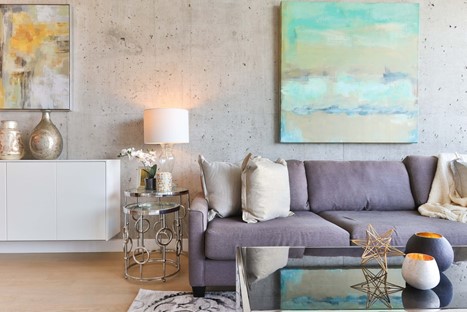
Most people pick furniture for looks, size and price. Yet the pieces you live with every day also shape how a room feels, and that feeling carries over into your mood, your energy and even how well you rest.
So what effect does your furniture have on your mood? A noticeable one. Color, shape, arrangement, lighting, materials and clutter all influence whether a room feels calm or tense, cozy or cold, lively or draining. The effect differs from person to person, but a few patterns are widely shared by designers and people who study how we experience spaces: soft, rounded and comfortable pieces tend to relax us, cramped or chaotic layouts tend to stress us, daylight and a bit of greenery tend to lift our spirits, and a room that supports your real daily routine feels better than one that only looks good in photos.
How Furniture Affects Your Mood at a Glance
| Factor | Usually feels calming | Usually feels stressful |
|---|---|---|
| Color | Soft blues, greens, warm neutrals | Large areas of intense red or orange, harsh contrasts |
| Shape | Rounded edges, soft upholstery | Sharp corners everywhere, hard seating |
| Layout | Clear walkways, seating grouped for conversation | Blocked paths, crowded corners, empty middle in a big room |
| Light | Daylight plus warm, layered lamps | One harsh ceiling light, dark corners |
| Materials | Wood, textiles, plants | Only hard, glossy surfaces |
| Clutter | Closed storage, a few chosen objects | Every surface covered |
Color: The Quickest Way to Change the Feel of a Room
Color associations are partly cultural and partly personal, so treat them as tendencies rather than rules. Blues and greens usually read as calm and fresh, which is why they are popular for bedrooms, bathrooms and home offices. Warm reds, oranges and yellows feel energizing and sociable. They work well in dining areas or as accents, but a large red sofa or four red walls can feel intense over time.
Neutrals such as beige, greige and warm white are restful, though a room in only one neutral can feel flat. Add depth with different textures and a few darker pieces. A simple guide many designers use is the 60-30-10 split: about 60 percent of the room in a main color, 30 percent in a secondary color and 10 percent in an accent.
Before you commit to a big colored piece, look at a fabric swatch in your own room in the morning, afternoon and evening. Light changes colors more than most people expect.
Style and Shape: Curves, Lines and Character
The style of your couches, tables and chairs affects the mood of a space as much as their color. Rounded furniture, such as curved sofas, round dining tables and oval coffee tables, tends to feel softer and more inviting, and it also makes movement around a room easier.
Clean-lined modern furniture with smooth finishes feels orderly and calm, which many people find restful. If everything is hard, glossy and angular, though, the room can start to feel cold. Classic styles such as Biedermeier furniture bring warmth, craftsmanship and a sense of personality. Mixing the two, for example a simple modern sofa with one antique side table, often gives the best balance.
Arrangement: Space, Flow and a Focal Point
How you arrange furniture decides how you move through a room and how it feels the moment you walk in. A tiny room packed with furniture feels overwhelming. A large room with a few pieces pushed against the walls feels empty and unwelcoming.
- Keep walkways open: main paths are usually about 30 to 36 inches wide (roughly 75 to 90 cm).
- Leave room at the coffee table: about 14 to 18 inches (35 to 45 cm) between sofa and table is comfortable.
- Group seating for conversation: chairs and sofas within about 8 to 10 feet of each other make talking easy.
- Float furniture in large rooms: pull pieces away from the walls and use rugs to create separate zones.
- Scale down in small rooms: fewer, slimmer pieces on visible legs make the floor look bigger.
Arrange the main seating around a focal point, such as a fireplace, a large window or a strong piece of art. The focal point sets the tone of the room and gives the eye a place to rest. If you want to check a layout before buying anything, drawing the room to scale helps. In Plan7Architect you can draw the floor plan with exact dimensions, place furniture and then walk through the room in 3D to see whether it feels open or crowded.
Lighting: Daylight and Layered Lamps
Light has a strong effect on mood. A dim room can feel gloomy, especially in winter, while good daylight helps most people feel more awake during the day and supports a normal sleep rhythm. Place reading chairs and desks near windows, avoid blocking windows with tall furniture, and hang a mirror where it can bounce daylight deeper into the room.
For the evening, plan three layers of artificial light:
- Ambient light: ceiling fixtures or wall lights for general brightness, ideally on a dimmer.
- Task light: reading lamps, desk lamps and under-cabinet lights where you work or read.
- Accent light: small lamps, picture lights or candles that add warmth.
Warm bulbs of about 2700 to 3000 K feel cozy in living rooms and bedrooms. Slightly cooler light of about 3500 to 4000 K suits kitchens and work areas. A bedside lamp with a soft shade or a few candles on the dining table can change the mood of a room more than a new piece of furniture.
Materials, Texture and Plants
Natural materials such as wood, wool, linen, cotton and leather make a room feel warmer and more relaxed. A soft throw on a leather chair or a wool rug on a hard floor adds comfort you can feel, not just see.
Indoor plants bring color and a sense of life, and many people find caring for them calming. Their effect on air quality in a normal home is small, so choose them for how they make you feel rather than as an air filter. If you do not want to look after real plants, good artificial ones still add a touch of green.
Clutter, Comfort and Furniture That Fits Your Life
Clutter is visual noise. Furniture with closed storage, such as sideboards, lidded baskets and benches with drawers, helps keep surfaces calm. Display a few objects you love instead of everything you own.
Comfort matters just as much. Test seat height (usually about 17 to 19 inches, or 43 to 48 cm), depth and firmness before you buy. Think about your daily routine: if you have a dog, a cat or small children, durable, washable fabrics will spare you a lot of stress. In the end, you are the person most affected by your furniture, so choose pieces that suit how you live and reflect your personality.
Frequently Asked Questions
Can furniture really affect your mood?
Yes. Furniture shapes color, light, comfort and how easily you move through a room. A cramped, cluttered or uncomfortable space tends to feel stressful, while a well-arranged room with soft seating and good light usually feels relaxing.
Which furniture colors are best for a calm mood?
Soft blues, greens and warm neutrals are the most common choices for calm rooms. Use stronger colors such as red, orange or yellow as accents rather than on the largest pieces.
How should I arrange furniture to make a room feel better?
Keep clear walkways, group seating around a focal point, pull furniture away from the walls in large rooms, and use fewer, smaller pieces in small rooms.
Does bedroom furniture affect sleep?
It can. A comfortable bed, warm and dimmable lighting, calm colors and little clutter help most people wind down. Many people also feel more at ease when the bed stands against a solid wall with a view of the door.
Watch how a complete house is planned from start to finish – in under 25 minutes


The 3 Plan7Architects

Suitable for small hobby projects
No garden planning and only limited floor plan creation with few wall types
★★★★★

For medium-sized projects
Unrestricted floor plan creation & garden planning
No export options for your architect and no plans for building permit applications
★★★★★

For projects of any size
Import & export for working with an architect
Create plans for real building permit applications
Much larger range of features than the other two versions
★★★★★