

Whether you are moving into a new home or simply want to refresh the one you have, a few proven interior design tips make a big difference without a full renovation.
What are the most useful interior design tips? Work with light first (paint colors, windows and mirrors), plan a comfortable layout, anchor rooms with rugs, balance the room with symmetry and scale, layer lighting, and then add the details you touch every day, such as handles and switches. Finish with plants and a mix of old and new pieces so the home reflects your personality instead of a showroom.
Interior Design Tips at a Glance
| Tip | What it does | Effort |
|---|---|---|
| Lighter paint colors | Make small rooms feel larger | Low |
| Mirrors opposite windows | Spread daylight, add depth | Low |
| Area rugs | Add warmth, define zones | Low |
| Layered lighting | Creates mood, fixes dark corners | Medium |
| New hardware and switches | Upgrades the whole look | Low to medium |
| Larger or more windows | More light, a link to the outdoors | High |
Use Paint to Change the Sense of Space
If a room feels small, paint the walls a light color. Pale shades reflect more light and make walls seem to recede. Darker colors make a room feel more enclosed, which can be cozy in a den or bedroom but cramped in a small hallway. Painting the ceiling a shade lighter than the walls helps a room feel taller. Always test paint samples on the wall and look at them in morning and evening light before you decide.
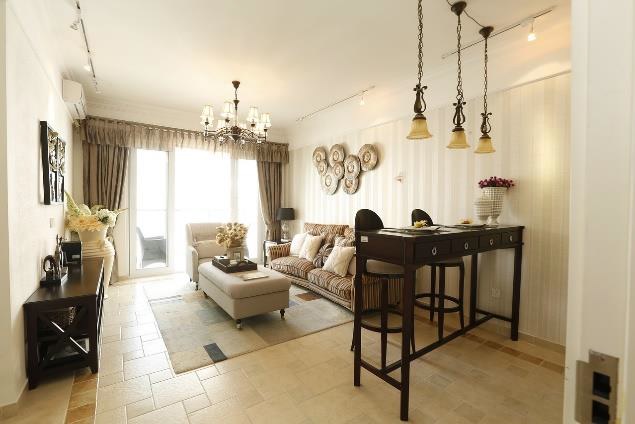
Bring In More Daylight
Windows
More or larger windows let in natural light and connect a room with the outdoors. That is a bigger project, often needing a contractor and sometimes a permit, but it is worth considering during a renovation. Without construction, you can still make the most of existing windows: hang curtains higher and wider than the frame, and keep tall furniture out of the way.
Mirrors
A large, stylish mirror placed opposite or next to a window bounces daylight deeper into the room, creates an illusion of space and adds depth. It is one of the cheapest ways to brighten a dark room or hallway.
Add Life with Plants
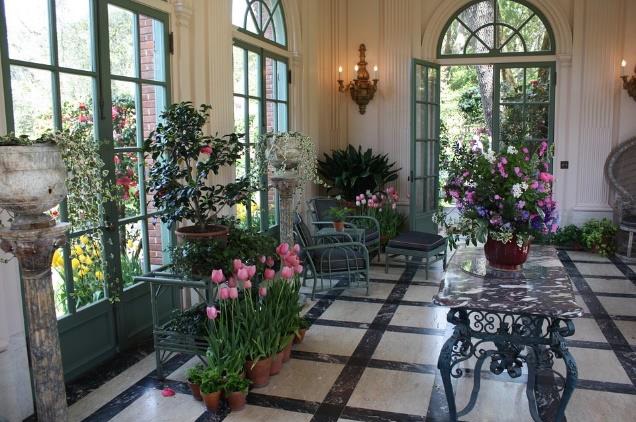
Plants are an inexpensive accessory that makes a room feel fresh and lived in. A few well-placed plants, such as one large floor plant and a couple of smaller ones on shelves, usually look better than many small pots everywhere. Choose varieties that suit your light, and do not overdo it.
Small Kitchen Upgrades
A hanging pot rack makes a kitchen look stylish, keeps your most used pans within reach and opens up cabinet space. Open shelves for everyday dishes and a rail for utensils work the same way. Keep them tidy, since everything on display becomes part of the decor.
Warm Up Floors with Area Rugs
Wood and tile floors look elegant but can feel cold and echo. An area rug adds warmth, softens sound, defines a seating or dining area and lets you show personality through texture and pattern. In a living room, choose a rug large enough that at least the front legs of the sofa and chairs sit on it.
Make a Good First Impression at the Entrance
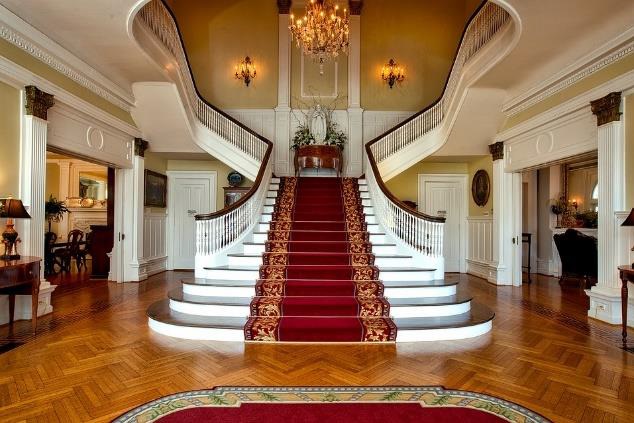
Entrances have been treated as a showpiece for centuries, which is why many historic homes have fine tiles, woodwork and lighting in the hallway. If you want to improve your interior design, the front door and entry are a great place to start. Paint the front door in a glossy finish, add a statement light fixture or chandelier, a mirror and a bench or console table for keys and bags.
Pay Attention to Design and Detail
Good interior design shows in the details. Door knobs, drawer pulls, cabinet handles and light switches are things you touch every day, so upgrading them changes how the whole home feels. Choose one main finish, such as brushed brass, black or chrome, and repeat it through the room.
Symmetry, Balance and Scale
Symmetry is visually calming: a pair of lamps on a sideboard, two chairs facing a sofa or matching nightstands. A room also needs balance in size and color. Spread large pieces and darker colors around the space rather than grouping them all on one side, and choose furniture that fits the size of the room.
Layer Your Lighting
Combine ambient light (ceiling or wall lights), task light (reading and desk lamps) and accent light (small lamps, picture lights). Warm bulbs of about 2700 to 3000 K suit living rooms and bedrooms.
Rich Textures
Velvet sofas, especially in deep blue or green, are a popular way to add a feeling of luxury. Wool throws, linen curtains and leather cushions add texture in a similar way.
Combine Old and New
Mix expensive and inexpensive furniture, textures and patterns. An antique table between modern sofas can tell a story about your family’s past, while the newer pieces speak about your present. Varied colors and materials bring warmth to a living area, and most interior designers agree that a home should reflect the personality and style of the people who live in it.
Plan Your Interior in 3D Before You Buy
Before you move furniture or start a renovation, it helps to see the result. With Plan7Architect Expert you draw rooms with exact dimensions, place furniture and 3D objects, and walk through the result in 3D. It is home design software for Windows that works in imperial or metric units.
Frequently Asked Questions
What is the golden rule of interior design?
A common guideline is the 60-30-10 rule: about 60 percent of a room in a main color, 30 percent in a secondary color and 10 percent in an accent color.
How can I make a small room look bigger?
Use light wall colors, a large mirror near a window, furniture on visible legs, fewer but well-scaled pieces and curtains hung high and wide.
What is the cheapest way to improve a room’s interior design?
Paint, new hardware, a rug, better lamps and a few plants change a room noticeably for relatively little money.
Where should I start when redecorating my home?
Start with the rooms you use most or with the entrance, plan the layout first, and buy large pieces before accessories.
Watch how a complete house is planned from start to finish – in under 25 minutes


The 3 Plan7Architects

Suitable for small hobby projects
No garden planning and only limited floor plan creation with few wall types
★★★★★

For medium-sized projects
Unrestricted floor plan creation & garden planning
No export options for your architect and no plans for building permit applications
★★★★★

For projects of any size
Import & export for working with an architect
Create plans for real building permit applications
Much larger range of features than the other two versions
★★★★★